A Sri Lankan leopard in Yala National Park
Travel guide · Safari & wildlife

Safari & wildlife in Sri Lanka

For a small island, Sri Lanka punches astonishingly above its weight - leopards, wild elephants, sloth bears, crocodiles and hundreds of birds across more than two dozen national parks. Here's where to go, what you'll see, and how to plan the perfect safari.

26+National parks
LeopardsOne of the world's best
Elephants~6,000 in the wild
Year-roundA park in season every month

A travel guide to Sri Lanka's wild side

The best big-game safari in Asia, on one small island

Sri Lanka is one of the few places on earth where you can watch a leopard at dawn, a herd of wild elephants by lunchtime and blue whales by sunset - all within a day's drive. Its national parks protect an extraordinary range of habitats, from the dry-zone scrub and lagoons of the south and north-west to the cloud forests of the central highlands, and they're home to the island's "big four": the elusive Sri Lankan leopard, the Asian elephant, the shaggy sloth bear and the mighty mugger crocodile, plus a dazzling cast of deer, buffalo, primates and birds.

Most safaris are done by open 4x4 jeep on a morning or afternoon game drive, with a driver and tracker who know where the animals move. The golden rule is timing: the dry seasons concentrate wildlife around shrinking waterholes, making them far easier to spot. Broadly, the southern and western parks (Yala, Udawalawe, Bundala, Wilpattu) are best from around February to September, while the famous elephant "Gathering" at Minneriya and Kaudulla peaks from about June to September. Pick the right park for the animal you most want to see, go at first light, and you're in for one of Asia's great wildlife experiences.

Jump to what you're after below, or scroll for the full park-by-park guide.

Wilpattu Minneriya · Kaudulla Horton Plains Udawalawe Yala · Bundala Kumana · Gal Oya SRI LANKA - MAIN NATIONAL PARKS

The big experiences

Three wildlife encounters worth the trip

A Sri Lankan leopard resting on a rock at Yala
🐆

Leopard safari

The Sri Lankan leopard is an island sub-species and the apex predator here - so it roams openly by day. Yala has one of the highest leopard densities on the planet, while Wilpattu offers quieter, equally rewarding tracking.

Best parks: Yala · Wilpattu  ·  Best time: Feb–Jul
Wild elephants at Udawalawe
🐘

Elephant safari

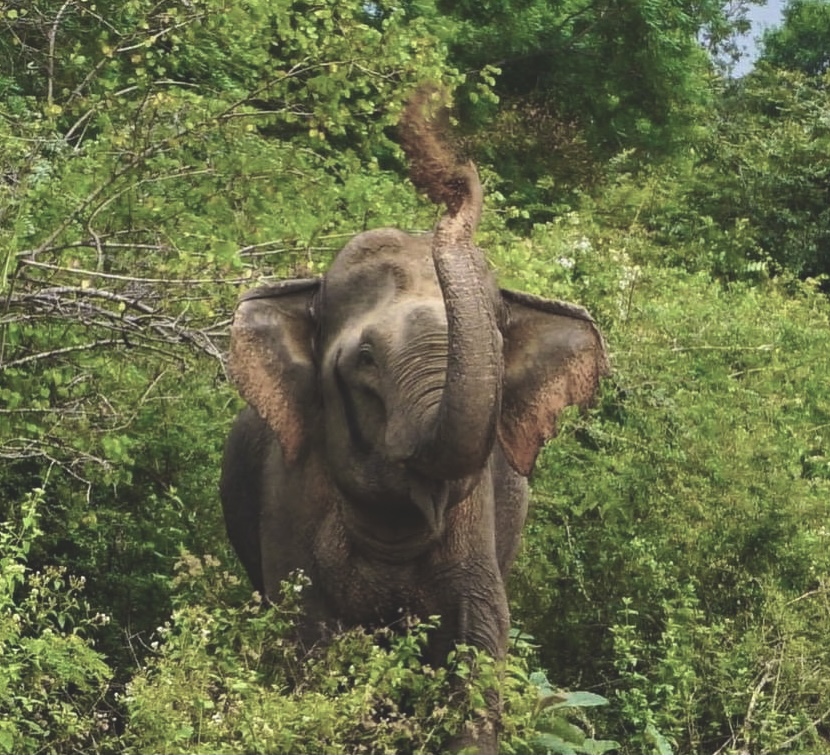
With around six thousand wild elephants, sightings are almost guaranteed. Udawalawe delivers big herds year-round, while the Minneriya/Kaudulla "Gathering" draws hundreds to a single reservoir each dry season - one of Asia's great wildlife spectacles.

Best parks: Udawalawe · Minneriya  ·  Gathering: Jun–Sep
A black-headed ibis at Wilpattu
🦜

Bird watching

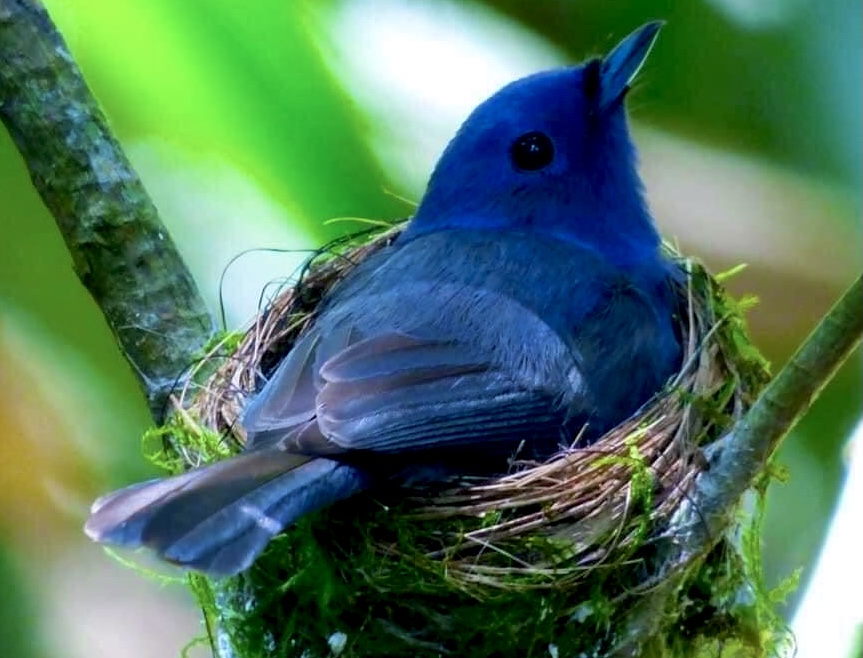
Sri Lanka has over 400 bird species, including 30-plus found nowhere else. Bundala and Kumana are Ramsar-listed wetlands alive with flamingos, painted storks and pelicans, while the highland forests hide colourful endemics.

Best parks: Bundala · Kumana  ·  Migrants: Sep–Mar

Park by park

Sri Lanka's national parks for safari

From the leopard kingdoms of the south to the elephant reservoirs of the Cultural Triangle and the cloud forests of the hills - here's every park worth a game drive, with what it's best for and when to go.

South-east🐆 Yala National Park landscape

Yala National Park

near Tissamaharama · south-east

The island's most famous park and a world-class leopard destination, with elephants, sloth bears, crocodiles and peacocks across scrub, lagoons and beaches. Popular, so it can get busy.

LeopardsBig fourBest Feb–Jul
Read more →
South🐘 Elephants at Udawalawe

Udawalawe National Park

between the hills & south coast

The best place in the country for guaranteed wild elephants, on open grassland that makes spotting easy. Calmer than Yala and brilliant for families; the Elephant Transit Home is next door.

ElephantsFamiliesYear-round
Read more →
North-west🐆 Wilpattu National Park

Wilpattu National Park

near Anuradhapura · north-west

The largest and oldest park, dotted with natural lakes ("willus"). Excellent for leopards and sloth bears, with far fewer jeeps than Yala - a wilder, more peaceful safari.

LeopardsQuietFeb–Oct
Read more →
Cultural Triangle🐘 Minneriya National Park

Minneriya National Park

near Habarana & Sigiriya

Home to "The Gathering" - in the dry season hundreds of elephants congregate on the grassy bed of the ancient Minneriya reservoir, the largest meeting of Asian elephants on earth.

Elephant GatheringJun–Sep
Read more →
Cultural Triangle🐘 Kaudulla National Park

Kaudulla National Park

near Habarana

Minneriya's sister park and part of the same elephant corridor. When the herds move, Kaudulla (or the nearby Eco-Park) often hosts the Gathering - your guide will know which is best on the day.

ElephantsJun–Sep
Read more →
South🦩 Bundala National Park

Bundala National Park

near Hambantota · south

A Ramsar wetland and the country's premier coastal bird sanctuary, with greater flamingos, painted storks, pelicans and many migrants, plus crocodiles, elephants and turtles. A quieter alternative to Yala next door.

BirdsFlamingosSep–Mar
Read more →
Hill country🥾 Horton Plains

Horton Plains

near Nuwara Eliya · highlands

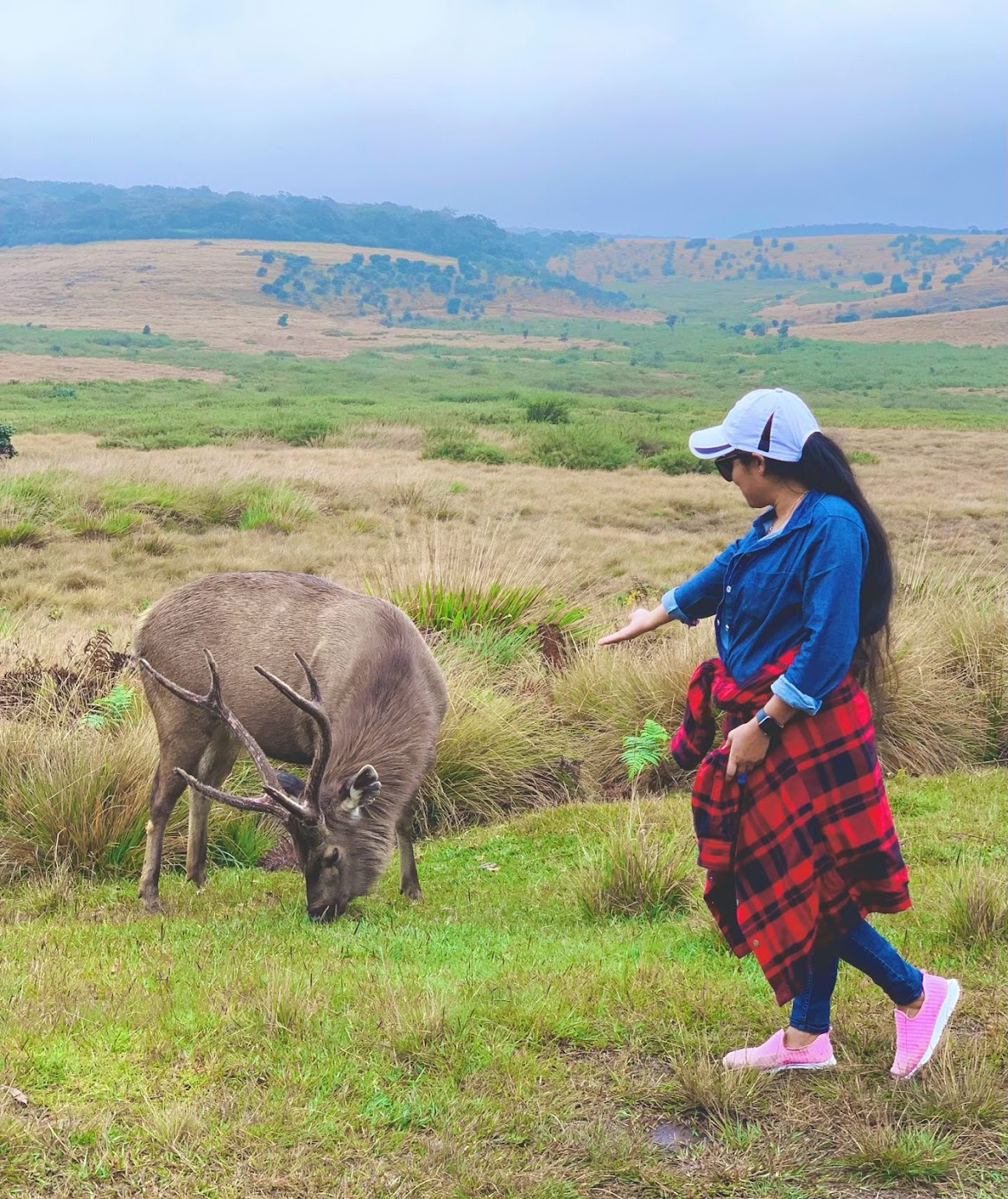
A misty cloud-forest plateau you explore on foot, not by jeep - a loop trail to the sheer World's End cliff and Baker's Falls, with sambar deer and rare highland birds. Go at dawn before the mist rolls in.

WalkingEndemic birdsScenery
Read more →
East-central🛶 Moon Plains

Moon Plains

Nuwara Eliya

Moon Plains is another beautiful place unknown to most people coming to Nuwara Eliya. Recently opened in Nuwara Eliya Place, this is one of the top tourist attractions.

Safari tripGreen grassBeautiful view
Read more →
East🦜 Kumana National Park

Kumana National Park

near Arugam Bay · east

Adjoining Yala's eastern edge, Kumana is one of Asia's most important bird-nesting grounds, its mangrove lagoon filling with storks, herons and pelicans - plus leopards and elephants. Easy to pair with Arugam Bay.

BirdsLeopardsMay–Sep
Read more →
Central🐘 Wasgamuwa National Park

Wasgamuwa National Park

central Sri Lanka

An off-the-beaten-track park with large elephant herds, leopards and endemic birds, and almost no crowds. A great choice if you want wildlife without the jeep traffic.

ElephantsOff-beatQuiet
Read more →
South-east🐘 Lunugamvehera National Park

Lunugamvehera National Park

between Yala & Udawalawe

A wildlife corridor linking Yala and Udawalawe around a large reservoir - elephants, birds and big open skies, with a fraction of the visitors. Often combined with its busier neighbours.

ElephantsBirdsQuiet
Read more →
South coast🐋 Lahugala National Park

Lahugala National Park

Pottuvil-Arugam Bay

Lahugala is the sixth ecologically diverse national park in Sri Lanka. Declared a Sanctuary on July 1, 1966. The present extent of Lahugala National Park is 5,131 hectares.

ElephantsBirds
Read more →
South coast🐋 Angammedilla National Park

Angammedilla National Park

Polonnaruwa

Angamedilla National Park is located about half an hour from Polonnaruwa, a historic town bordering the Angamedilla Canal in the south. Compared to the long list of protected areas in Sri Lanka.

ElephantsBirds
Read more →
South coast🐋 Sinharaja Forest Reserve

Sinharaja Forest Reserve

Polonnaruwa

Sinharaja Forest Reserve is a national park covering an area of 11,250 hectares in the range of 300-1170 m high in the Rakwana Range in the southwestern part of the Central Highlands of Sri Lanka. It borders the Galle District.

InsectBirds
Read more →
South coast🐋 Knuckles National Park

Knuckles National Park

Matale

Knuckles Forest Reserve is a natural forest reserve covering Kandy and Matale districts. Ecosystem free from human habitation is also the birthplace of many of Sri Lanka's major water sources.

InsectBirds
Read more →
South coast🐋 Kanneliya Rainforest

Kanneliya Rainforest

Galle

Kanneliya Rain Forest is a forest located in the Galle District of the Southern Province of Sri Lanka. Located about 35 miles away. Spread over an area of 6144 hectares, the Kannelia Forest is an ideal place for anyone who loves wildlife.

InsectBirds
Read more →
Puttalam🐋 Anawilundawa Bird Sanctuary

Anawilundawa Bird Sanctuary

Puttalam

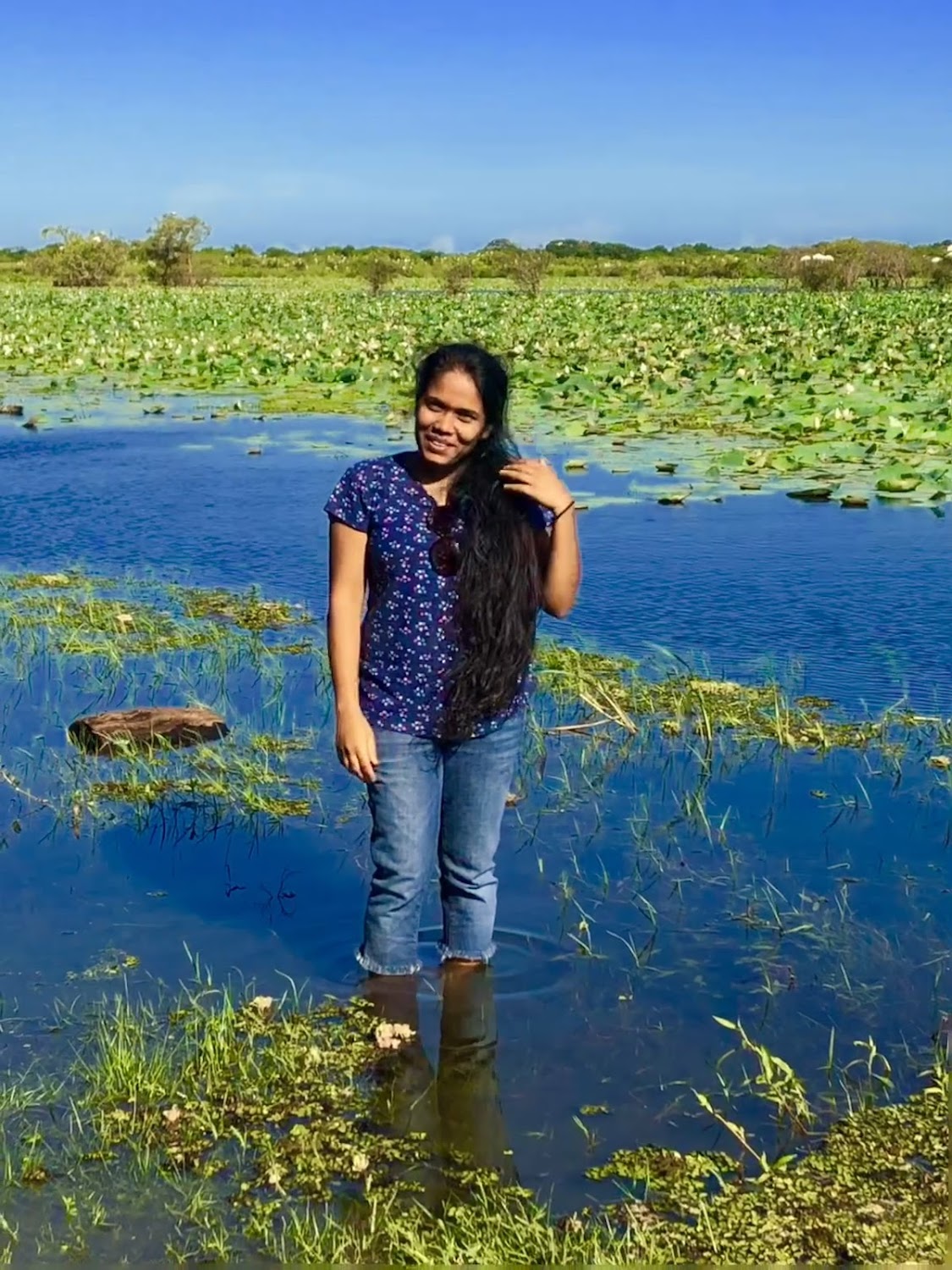
The second Ramsar wetland in the country has been the talk of the town in recent days. This wetland is located in the Arachchikattuwa area of Puttalam.

Bird SanctuaryBirds
Read more →
Negombo🐋 Muthurajawela Visitor Centre

Muthurajawela Visitor Centre

Negombo

Muthurajawela is a marshy land area of 3,068 hectares in the coastal wetland ecosystem located in the Negombo District of the Western Province of Sri Lanka.

Bird SanctuaryBirds
Read more →
Habarana🐋 Hurulu Eco Park

Hurulu Eco Park

Habarana

Hurulu Eco Park in the North Central Province of Sri Lanka covers 25,000 hectares north of Habarana. The park is a pioneer in providing temporary shelter for herds of elephants passing through the Mineria and Kaudalla National Parks.

ElephantsBirds
Read more →
Kitulgala🐋 Hurulu Eco Park

Makandawa Rain Forest

Kitulgala

Makandawa Rain Forest is the oldest rainforest in Sri Lanka and is located close to Kitulgala in the Kegalle District of the Sabaragamuwa Province of Sri Lanka. Covers an area of 1155 hectares.

InsectsBirds
Read more →
Nittambuwa🐋 Hurulu Eco Park

Horagolla National Park

Nittambuwa

Horagolla National Park is a beautiful forest trail that can be reached by visiting Nittambuwa on Colombo Kandy Road and a short distance from Nittambuwa to Pinnagolla on Veyangoda Road.

InsectsBirds
Read more →
Nittambuwa🐋 Hurulu Eco Park

Udawatta Kele Sanctuary

Kandy

Udawatta Kele Sanctuary is 275 acres in size. It is known as the Udawatte Forest Royal Park. It is said that the kings who ruled the kingdom of Kandy in the past used to rest in Udawatta Kele Sanctuary.

InsectsBirds
Read more →
Galle🐋 Hurulu Eco Park

Kottawa Reserve Forest

Galle

Kottawa Reserve Forest is located at a distance of 21 km from the city of Galle in the Galle District of the Southern Province, it is a beautiful, tranquil and cool lowland evergreen ecosystem.

InsectsBirds
Read more →

Which park is right for you?

Yala vs Udawalawe vs Wilpattu

The three most popular safari parks each have a personality. Here's how to choose between them.

Best for leopards

Yala

  • See: leopards, elephants, sloth bears, crocodiles, peacocks.
  • Vibe: the headline park - thrilling, but busy with jeeps.
  • Best time: Feb–Jul; Block 1 often closes Sep–mid-Oct.
  • Good from: Tissamaharama, Mirissa, Ella, the south coast.
Best for elephants & families

Udawalawe

  • See: big elephant herds (near-guaranteed), birds, buffalo, crocodiles.
  • Vibe: open, easy spotting, calmer - ideal with kids.
  • Best time: year-round; great any season.
  • Good from: Ella, Mirissa, the south coast, Colombo (long day).
Best for a wild, quiet safari

Wilpattu

  • See: leopards, sloth bears, elephants, deer, around scenic lakes.
  • Vibe: the largest, oldest park - peaceful, few jeeps.
  • Best time: Feb–Oct.
  • Good from: Anuradhapura, the Cultural Triangle, Colombo.

From wherever you're staying

Where to safari from your base

Sri Lanka is compact, so a safari fits neatly into most trips. Here's the closest park to each popular base, whether you're chasing a day trip or building it into a longer route.

From Ella & the hills

Udawalawe (~2–2.5 hrs) and Yala (~3 hrs) are both easy. A classic move is to descend from the tea country straight to a morning game drive, then continue to the coast.

From Mirissa & the south coast

Udawalawe and Yala are both around 2–3 hrs, and Bundala is close to Yala. Easy to pair a safari with beach days and whale watching off Mirissa.

From Galle

Udawalawe and Yala are roughly 2.5–3.5 hrs east along the coast - very doable as an overnight, with a night near Tissamaharama for a dawn start.

From Sigiriya & the Cultural Triangle

Minneriya and Kaudulla are right on the doorstep for the elephant Gathering, and Wilpattu is within reach via Anuradhapura.

From Kandy

Off-beat Wasgamuwa is the nearest big park; many travellers instead time a safari for when they reach Udawalawe or the Cultural Triangle.

From Colombo

Wilpattu (~3.5 hrs) and Udawalawe (~4–5 hrs) are the realistic options; most people fold a safari into a wider loop rather than a single long day trip.

Plan it

Costs, timing & safari travel tips

Best time for safari

Dry seasons are best, when animals gather at water. Yala, Udawalawe, Bundala, Wilpattu: roughly Feb–Sep. Minneriya/Kaudulla Gathering: Jun–Sep. Migrant birds: Sep–Mar.

Yala's Block 1 usually closes for around a month from early September - check before you go, or switch to Wilpattu or Udawalawe.

How long & when

A standard game drive is a half-day (about 3–4 hours), leaving at dawn (~5:30–6 AM) or mid-afternoon. Morning drives are usually best for activity and cooler air; full-day drives are possible at the bigger parks.

One park, one or two drives is plenty for most visitors.

Booking

Your hotel or driver-guide can arrange a jeep, often a day ahead; in peak season, book earlier. Park entry tickets are bought at the gate (carry your passport and rupees).

Choose a licensed, responsible operator who keeps a respectful distance and doesn't chase sightings.

Typical safari costs

Prices vary by park, group size and season. As a guide (per person unless noted):

ItemApprox.
Park entry + taxes (Yala/Udawalawe/Wilpattu)$20–30 pp
Private jeep, half-day (whole jeep)$40–65
Half-day safari, all-in for two~$80–130
Minneriya/Kaudulla Gathering~$70–90 / jeep + entry
Full-day private safarifrom ~$150

Sharing a jeep lowers the per-person cost; private jeeps give you the flexibility to follow sightings.

Safari with kids & comfort levels

  • Families & kids: Udawalawe is the easy winner - open views, near-certain elephants and shorter drives hold young attention.
  • Couples & honeymoons: pair a quiet Wilpattu or Yala drive with a luxury tented camp on the park edge.
  • Budget: share a jeep, base in Tissamaharama (for Yala/Bundala) or Udawalawe town, and do a single dawn drive.
  • Luxury & private: private jeeps, expert naturalists and high-end safari lodges are widely available.

Safari travel tips

  • Go at dawn. Animals are most active early; you'll also beat the heat and some of the crowds.
  • Wear neutral colours and bring a hat, sunscreen, water, binoculars and a zoom lens or phone-camera clip.
  • Be patient and quiet. Leopards reward stillness; don't pressure your driver to speed or chase.
  • Keep wildlife wild. Never feed animals, don't litter, and choose operators who don't crowd sightings.
  • Combine wisely. Most travellers do one park well rather than several - slot it between the hills and the coast.

Build it into your trip

Safari & wildlife itinerary ideas

A safari slots neatly into almost any Sri Lanka route - here's where it fits across our itineraries, from a quick add-on to a wildlife-led adventure.

Good to know

Sri Lanka safari: FAQ

What is the best safari in Sri Lanka?

It depends on what you want to see. For leopards and the full "big-game" thrill, Yala is the headline choice; for near-guaranteed elephants and an easy, family-friendly drive, Udawalawe is best; and for a wild, peaceful experience with leopards and fewer jeeps, Wilpattu wins. For sheer spectacle, the Minneriya/Kaudulla elephant Gathering (June–September) is hard to beat.

Is Yala or Udawalawe better for safari?

Yala is better for variety and the chance of a leopard, but it's busier and sightings can mean a crowd of jeeps. Udawalawe is better for guaranteed elephants, open easy viewing and a calmer experience - making it the top pick for families and first-timers. Many travellers who specifically want leopards choose Yala (or Wilpattu); those who want a relaxed, reliable wildlife day choose Udawalawe.

Where can I see elephants in Sri Lanka?

Udawalawe has large herds year-round and is the most reliable park for elephants. From around June to September, Minneriya and Kaudulla host "The Gathering," when hundreds of elephants congregate at the reservoir - the largest seasonal meeting of Asian elephants in the world. Wasgamuwa and Lunugamvehera are quieter alternatives, and you may also see wild elephants at Yala and Wilpattu.

Where can I see leopards in Sri Lanka?

Yala National Park (Block 1) has one of the highest leopard densities anywhere on earth and is the classic choice. Wilpattu, the largest park, also has a strong, well-studied leopard population and a far quieter, wilder feel. Both offer good chances, especially on early-morning drives - though leopards are wild and sightings are never guaranteed.

How much does a safari cost in Sri Lanka?

For the main parks, budget roughly US$20–30 per person for entry and taxes, plus around US$40–65 to hire a private jeep for a half-day drive - so a half-day safari for two typically lands around US$80–130 all-in. Sharing a jeep lowers the cost; full-day and luxury private safaris cost more. Bring rupees for the gate.

What is the best time for safari in Sri Lanka?

The dry seasons are best, because animals gather at shrinking waterholes. For the southern and north-western parks (Yala, Udawalawe, Bundala, Wilpattu) that's broadly February to September. The Minneriya/Kaudulla elephant Gathering peaks June–September, and migratory birds arrive roughly September to March. Early morning is the best time of day in any park.

Which national park is best in Sri Lanka?

There's no single "best" - it depends on your priority. Yala for leopards and variety, Udawalawe for elephants and families, Wilpattu for a quiet wilderness, Minneriya/Kaudulla for the elephant Gathering, Bundala and Kumana for birds, Horton Plains for highland scenery and walking, and Gal Oya for a unique boat safari. Pick the one that matches the animal or experience you most want.

Can children go on safari in Sri Lanka?

Yes - safaris are very family-friendly. Udawalawe is the best choice for children: the open landscape makes elephants and other animals easy to spot, drives are shorter, and there's almost always plenty of action to keep young ones engaged. Bring sun protection, snacks and water, and consider a private jeep so you can set the pace.

How long is a Sri Lanka safari?

A typical game drive is a half-day of about 3–4 hours, starting either at dawn (around 5:30–6 AM) or in the mid-afternoon. Full-day safaris are available at the larger parks for keen wildlife watchers. For most visitors, one or two half-day drives at a single park is the sweet spot.

Do I need to book a safari in advance?

Not far in advance for most parks - your hotel or driver-guide can usually arrange a jeep a day or two ahead, and you buy park tickets at the gate. During peak season (and especially for the Minneriya Gathering), it's worth booking your jeep and accommodation earlier, as the best operators and lodges fill up.

Keep exploring

Plan the rest of your trip